 The Nous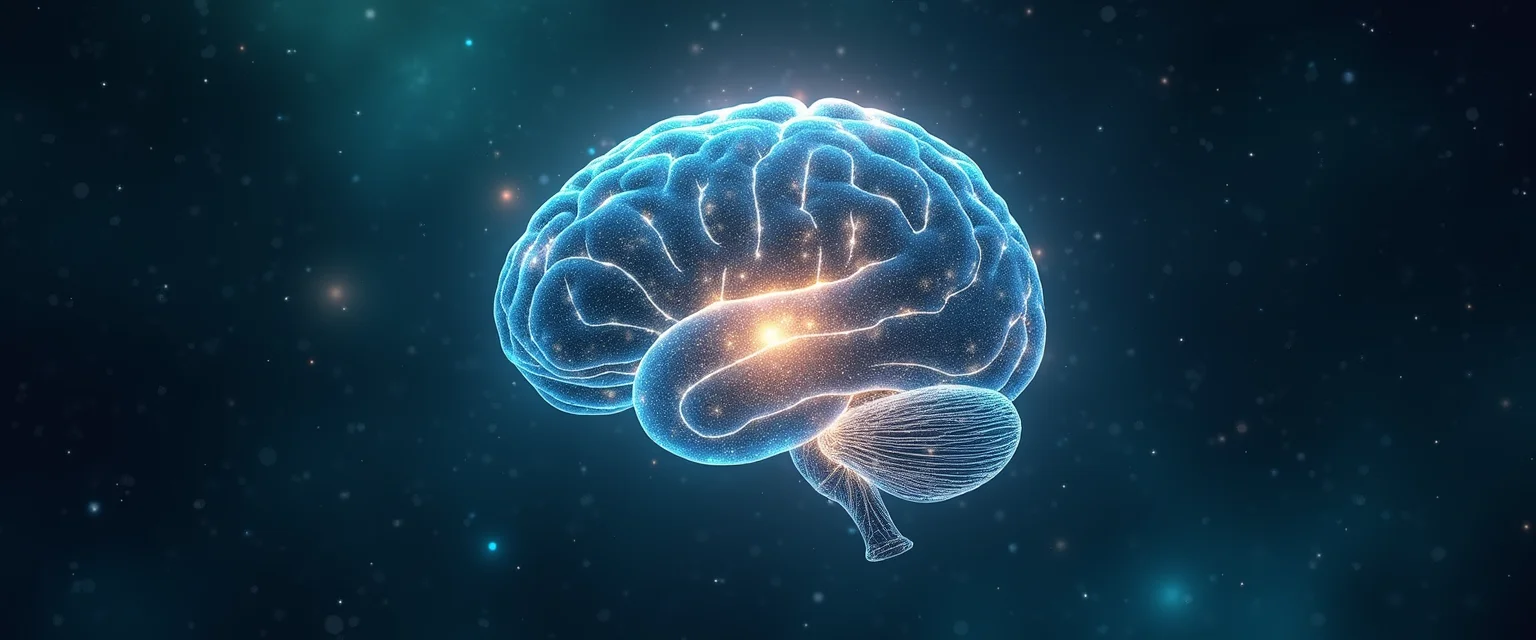
The Brain's Secret Quantum Computer?
Your brain should be the WORST place for quantum effects. It’s hot. It’s busy. It’s massive.
Most scientists said: “Impossible. The brain can’t be using quantum effects.”
But one scientist disagreed. And he won the Nobel Prize.
The Big Problem
Your brain should be the WORST place for quantum effects:
- It’s hot (quantum stuff usually needs near-freezing temperatures)
- It’s busy (86 billion nerve cells firing constantly)
- It’s massive (quantum effects usually happen in tiny systems)
Most scientists said: “Impossible. The brain can’t be using quantum effects.”
But one scientist disagreed.
Enter Sir Roger Penrose
Sir Roger Penrose is not some random guy. He’s a physicist who won the Nobel Prize. He worked with Stephen Hawking on black holes. When he talks, scientists listen.
In the 1990s, Penrose said: “I think consciousness comes from quantum effects in the brain. And I think I know where.”
His answer? Tiny tubes inside your brain cells.
The Hidden Structures: Microtubules
Inside every cell in your brain, there are tiny tube-shaped structures called microtubules. Think of them like the skeleton of the cell - they give it shape and help things move around.
Scientists have known about these for years. But Penrose said: “What if these aren’t just structure? What if they’re quantum computers?”
Here’s his idea:
- These tiny tubes can hold quantum information (like how tiny particles can be in two places at once)
- They’re protected enough from the chaos of the brain to maintain these quantum states
- When enough quantum information builds up, it “collapses” - and that’s a moment of consciousness
In simple terms: Every time you have a conscious thought or feeling, it might be a quantum event happening in these tiny tubes.
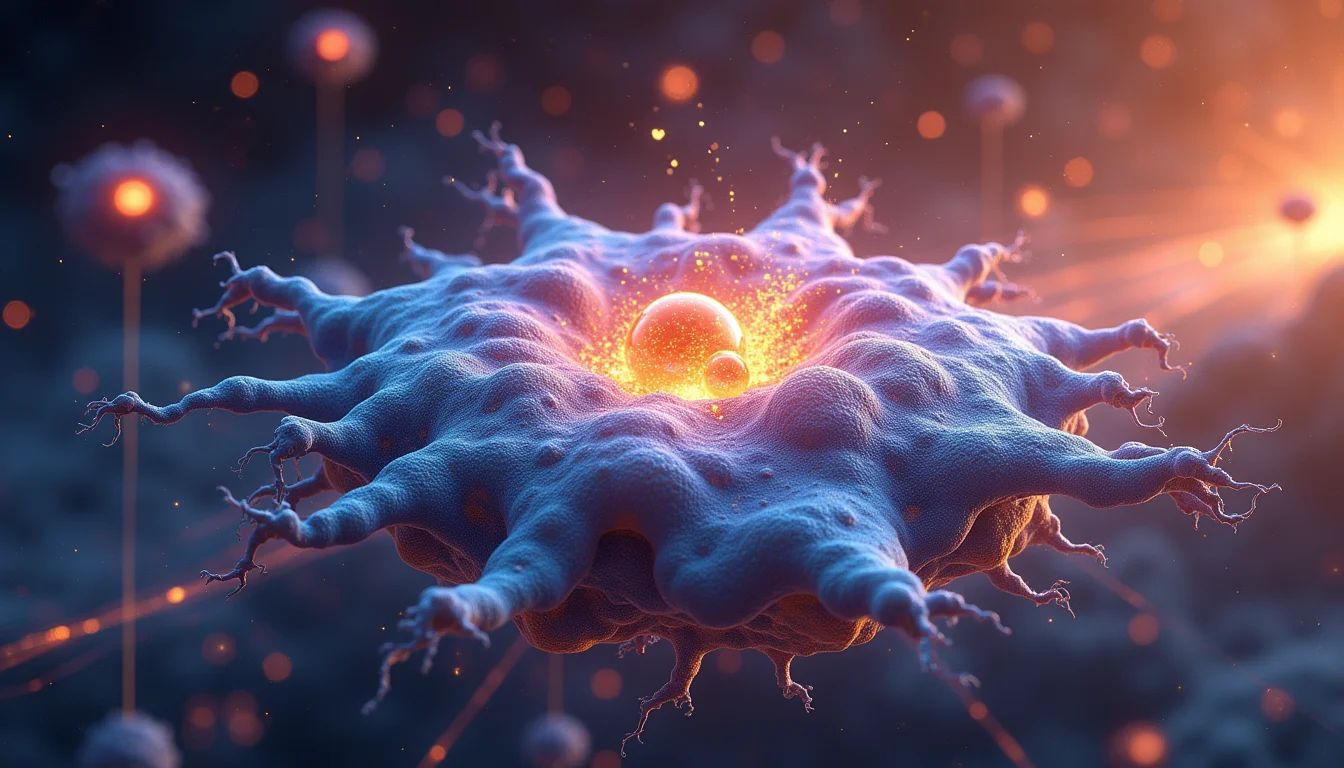
Why This Makes Sense
- Size: Microtubules are small enough for quantum effects to work
- Protection: They might be shielded enough from the brain’s noise
- Connection: They connect throughout the brain, forming a network
- Timing: The quantum “collapse” happens at the right speed to match consciousness
The Water Mystery
Penrose and his colleague Stuart Hameroff (an anesthesiologist) noticed something else interesting:
The water inside these tubes might not be normal water. It might be in a special “ordered” state - almost like a gel - that helps protect the quantum information.
This would explain why the quantum effects don’t instantly fall apart in the warm, wet brain.
How This Explains Anesthesia
Here’s something that supports this idea:
When doctors give you anesthesia to knock you out for surgery, it works by affecting these microtubules. The anesthesia molecules disrupt them - and you lose consciousness.
If microtubules were just “scaffolding,” why would disrupting them erase consciousness?
This suggests microtubules are actually involved in creating consciousness.
The Controversy
Most mainstream scientists still doubt this theory. They say:
- “The brain is too noisy”
- “Quantum effects would collapse too fast”
- “We don’t have direct proof yet”
And they’re not wrong - we DON’T have complete proof yet.
But Something Changed Recently…
In 2024 and 2025, new research started supporting Penrose’s ideas:
- Scientists found evidence of quantum effects in brain microtubules
- They discovered quantum vibrations that match brain wave patterns
- They showed anesthesia disrupts these quantum processes
The theory is becoming harder to dismiss.
What This Means For You
If Penrose is right, then:
- Your thoughts are quantum events
- Your consciousness comes from these tiny quantum computers in your cells
- Your brain is literally selecting reality from infinite possibilities
And if THAT’S true, then something even bigger becomes possible…
What if all 8 billion human brains are connected at the quantum level?
That’s where this story goes next.
The Journey So Far
- ✓ Thoughts might be quantum (like particles in multiple places at once)
- ✓ Nature already uses quantum effects (plants, enzymes, birds)
- ✓ The brain might have quantum computers inside it (microtubules)
Next: If thoughts are quantum - how do questions collapse possibilities into reality?